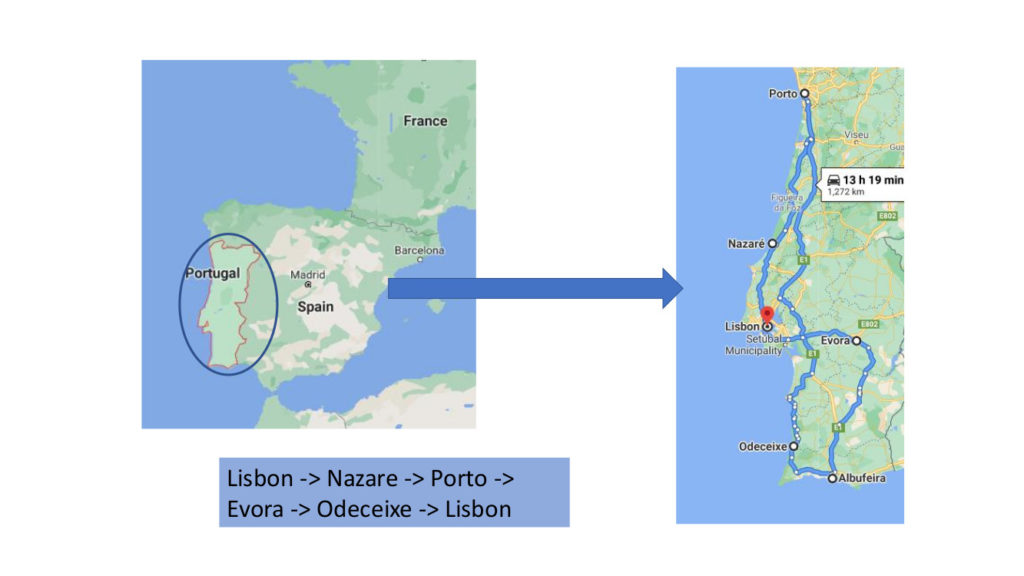
Portugal, at least in 2017 when we visited, was pleasantly “undiscovered” compared to other European countries we had visited like Italy, France, Germany and Switzerland. Even the major cities of Lisbon and Porto were not overrun with crowds like we had experienced in other European cities. Hopefully it still the same because it made our trip that much more enjoyable. We decided to mix it up a little with plans for both biking and hiking along with checking out Lisbon, Porto and other sites along the way. We flew into Lisbon on Sept 28, 2017, rented a car and began driving towards Porto via a small seaside town, Nazare. Driving in Portugal is safe and other than the multi lane roundabouts, was similar to driving in the US.
Nazare, an old fishing village was our first stop. This gave us a chance to decompress after the long plane ride and jet lag. I took advantage of the seaside location and had a delicious dinner of Prawns.
The next day we made a visit to Fatima, a Catholic pilgrimage site. Fatima is known for a story about a famous miracle, The Lady of Fatima that occurred back in 1917. The religious miracles are not my thing so a half day in Fatima was plenty for me and the following morning we headed to Porto.
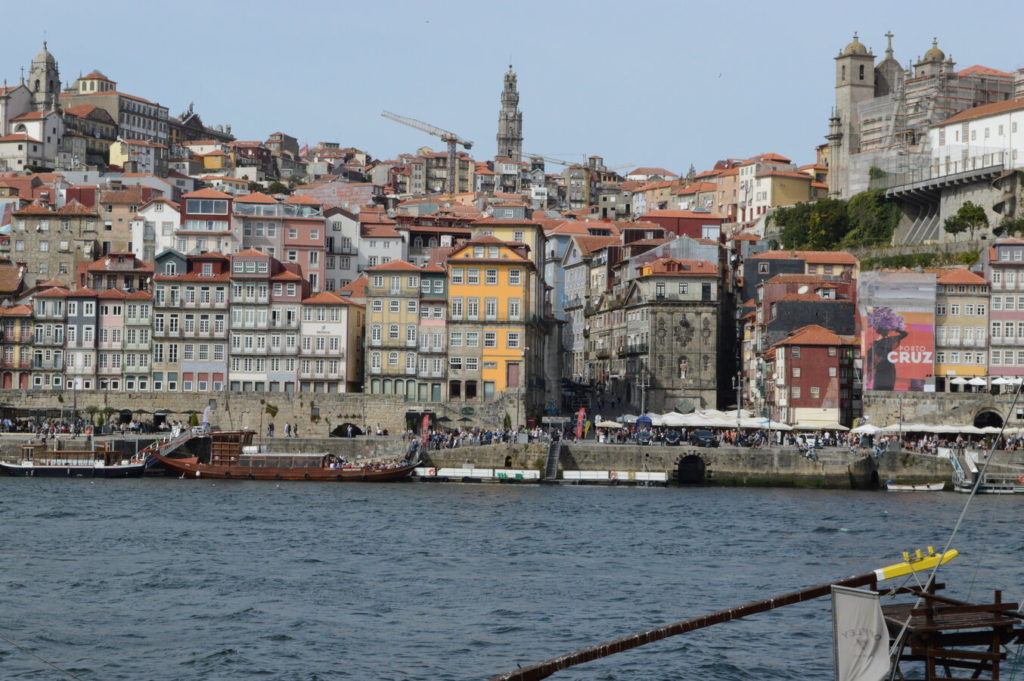
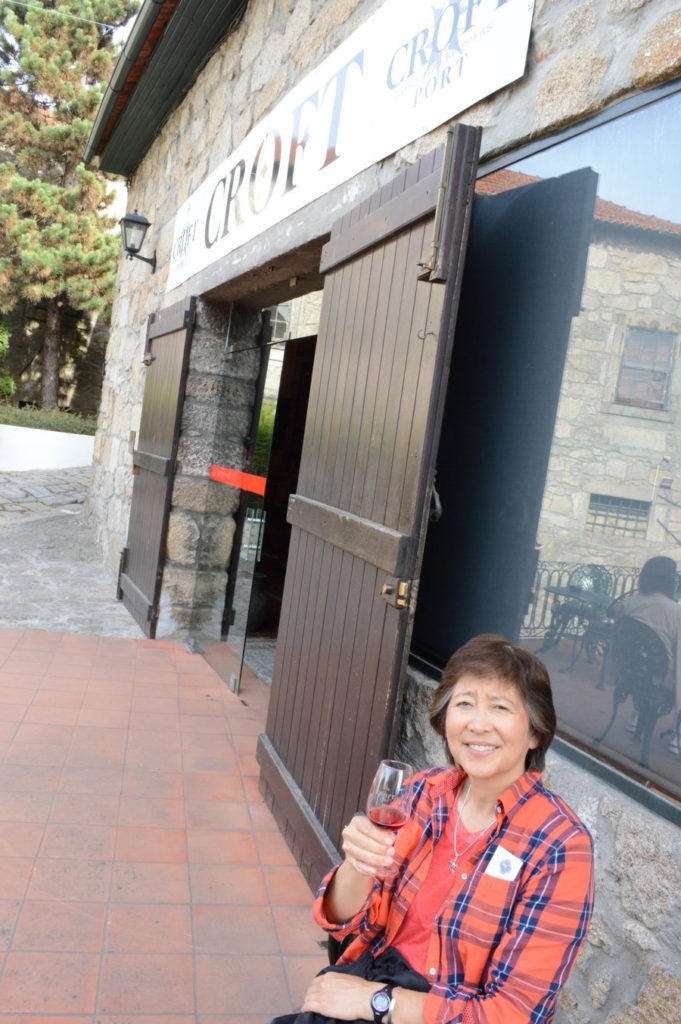
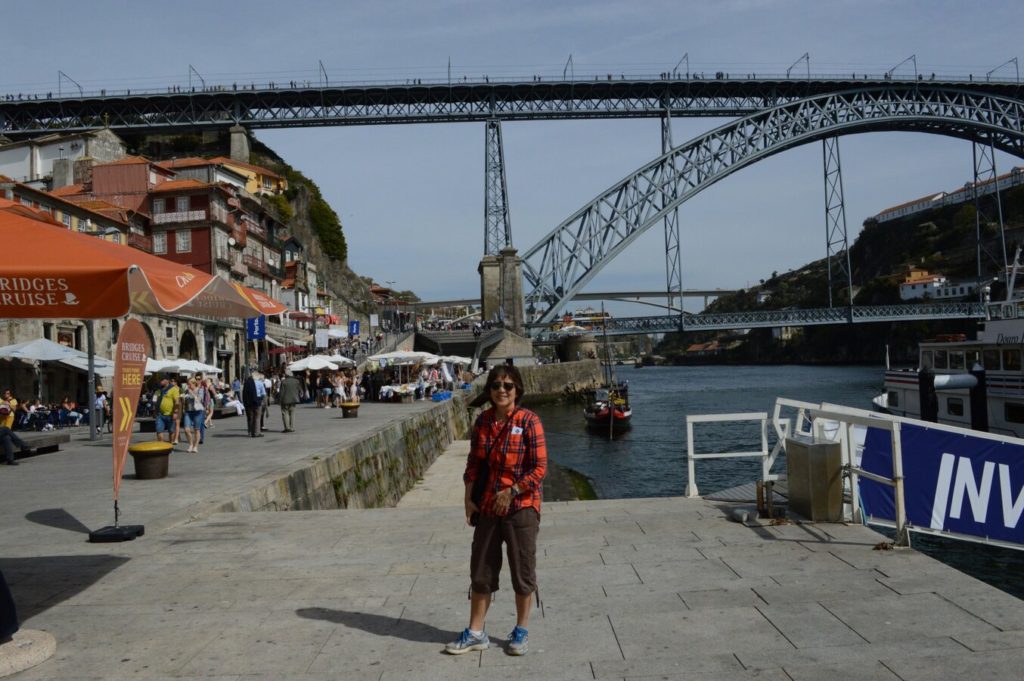
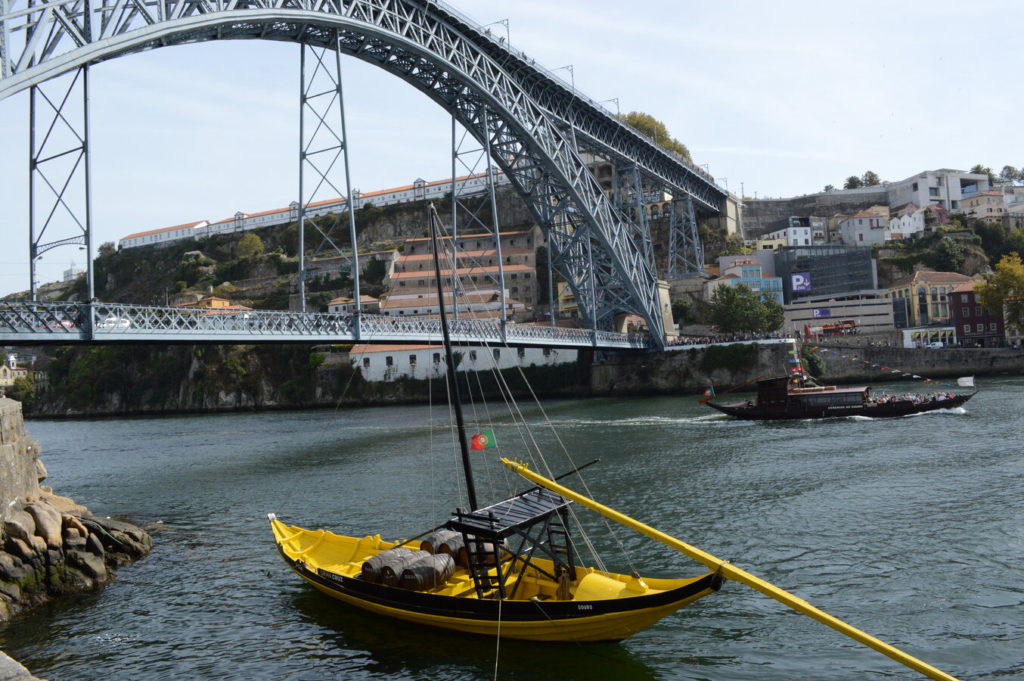
We stayed in downtown Porto for 2 days and were able to walk everywhere and not worry about driving. Porto, on the coast and with the famous Douro river running through it, is the second largest city in Portugal and known for it’s stately bridges and of course it’s Porto wine production. You can’t go to Porto without doing a wine tasting tour!
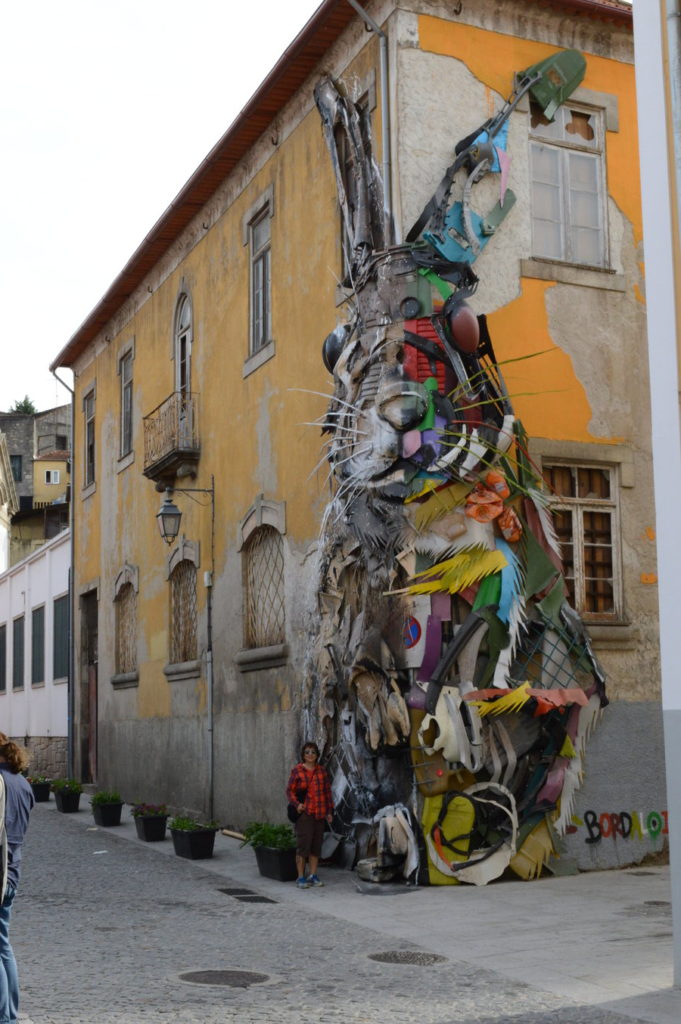
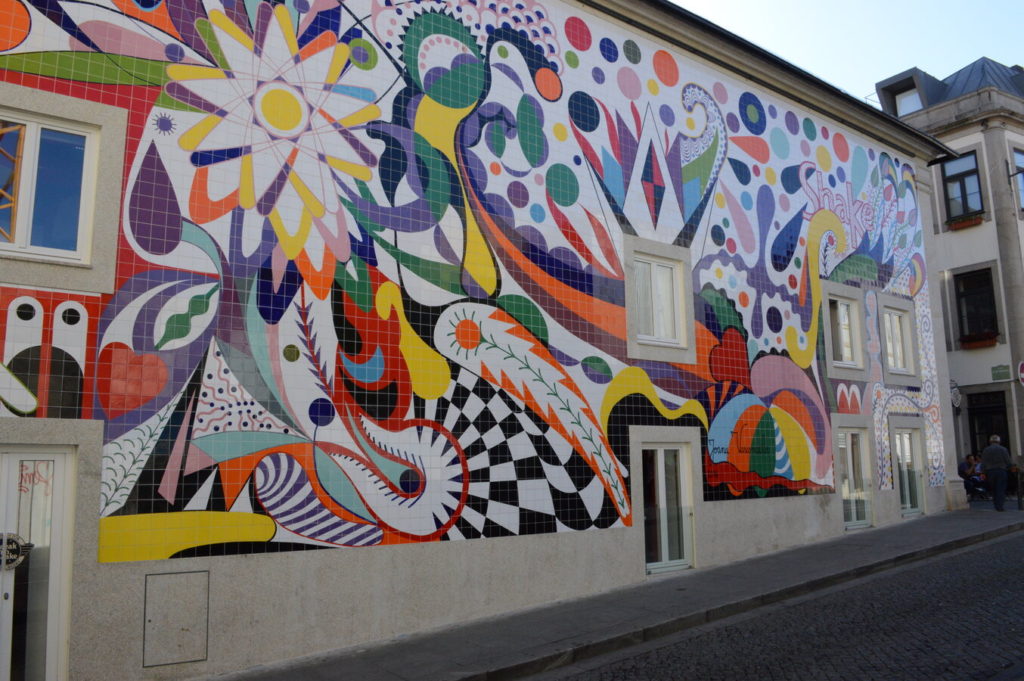
There was some great graffiti on the buildings that was even more interesting after our Port wine tour and sampling. Porto, although hilly, is a wonderful city to explore by foot. We enjoyed strolling into the old city and across the many bridges.
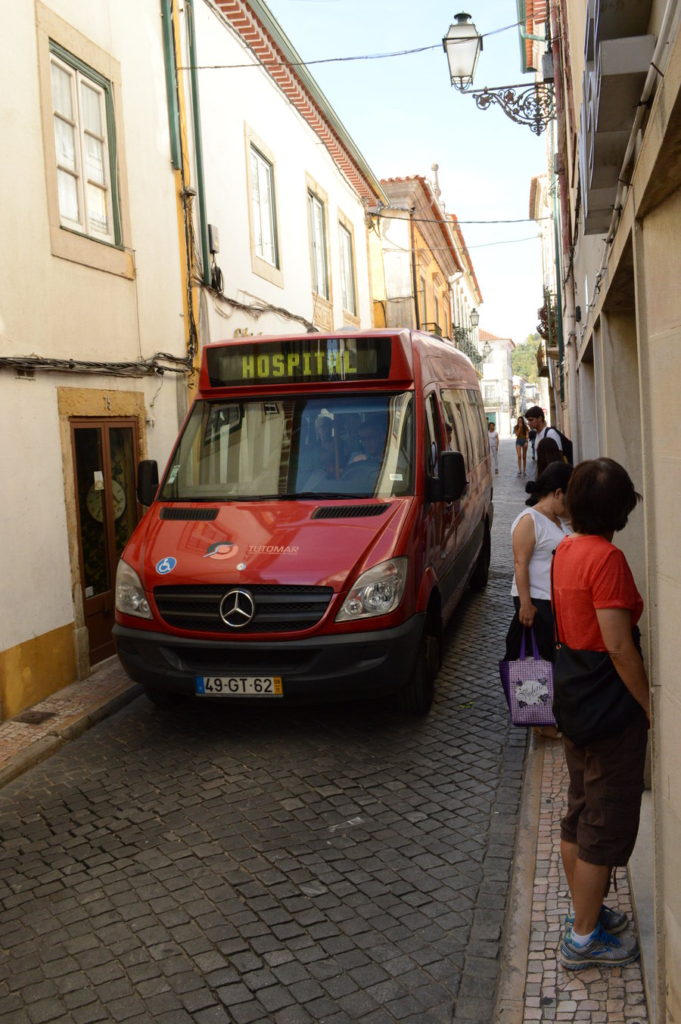
There are many narrow streets in Porto, typical of the older European towns. As you can see, one has to suck up close to the buildings to avoid getting run down by some of the larger vehicles in town.
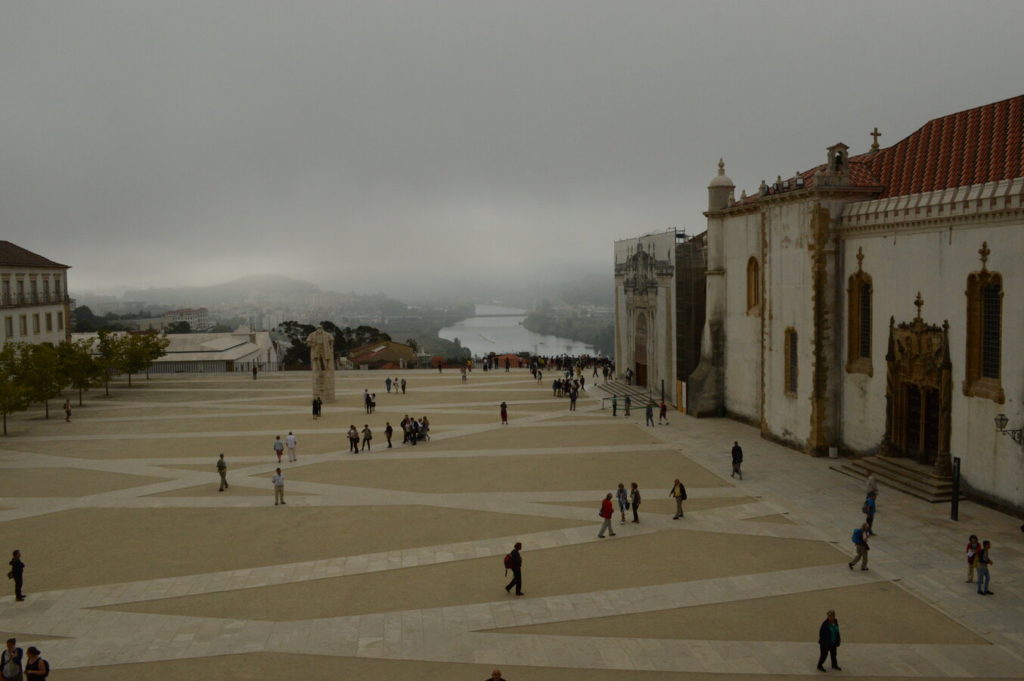
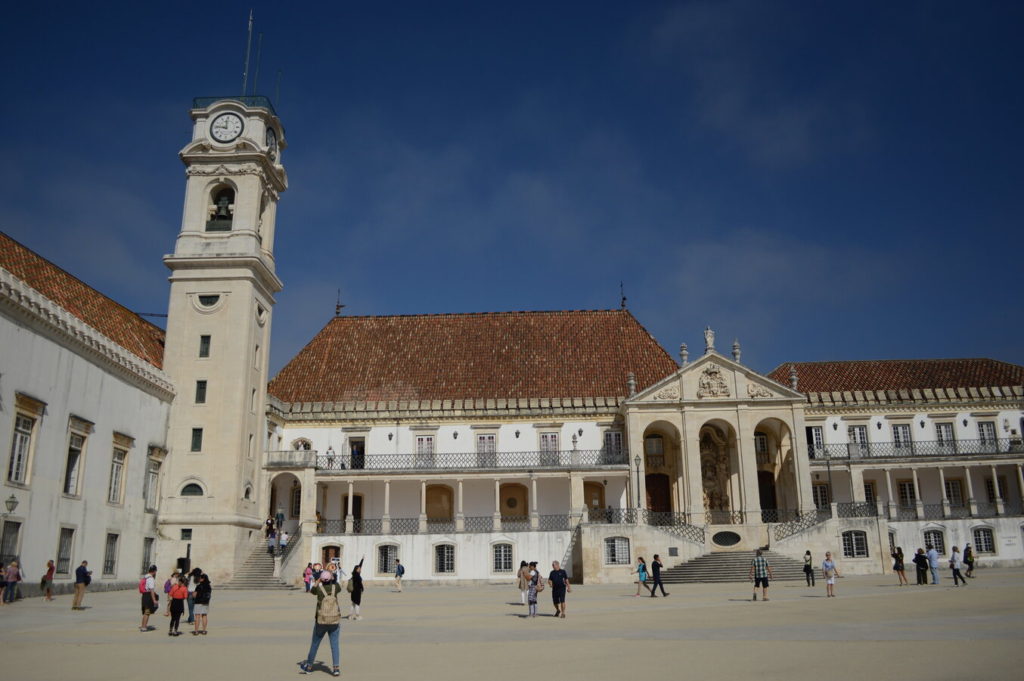
Our next stop was Coimbra where one of the oldest universities in continuous operation is located. The University of Coimbra was established in 1290, is a public university and has over 20,000 students as of 2017. We took a tour which included the huge central library with books dating back to the 1300’s. Walking around the town and campus made for an interesting day of exploring. Not surprisingly, the university is a UNESCO heritage site.
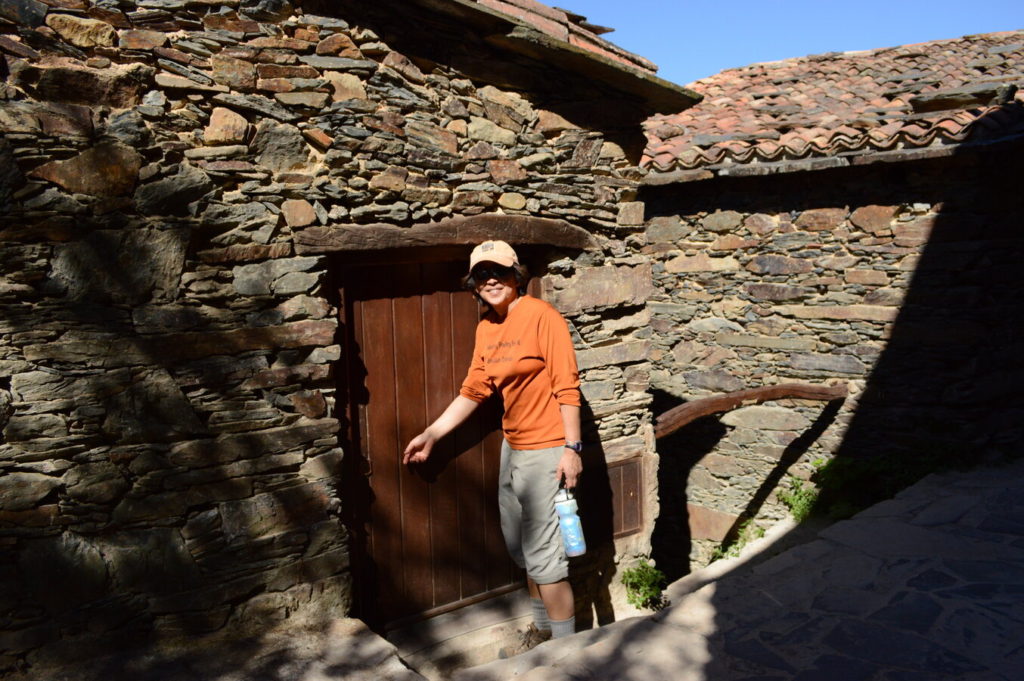
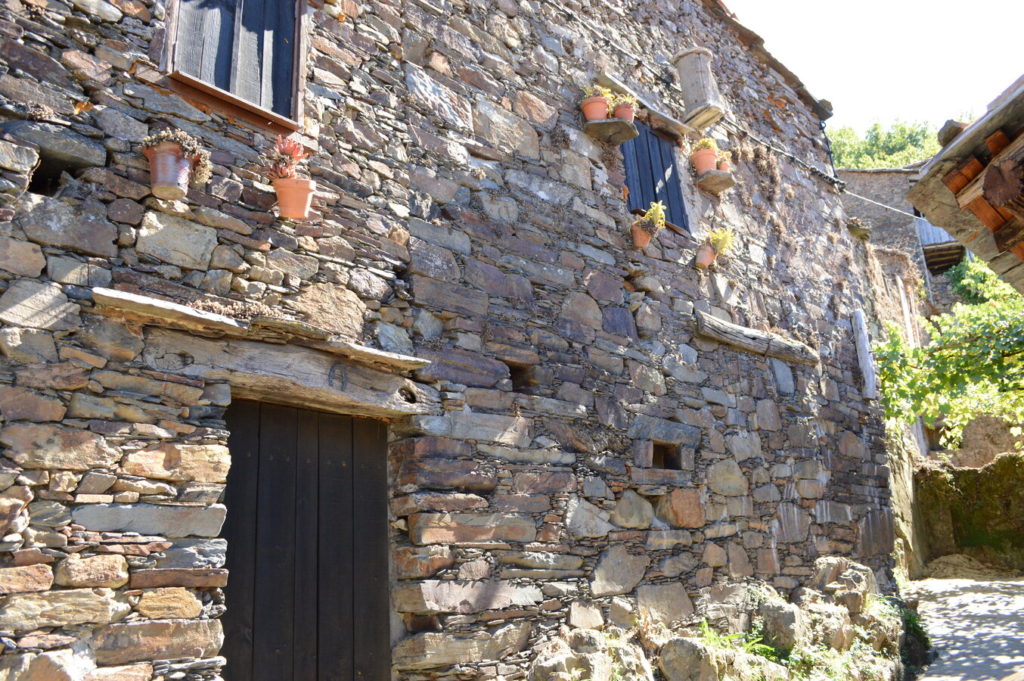
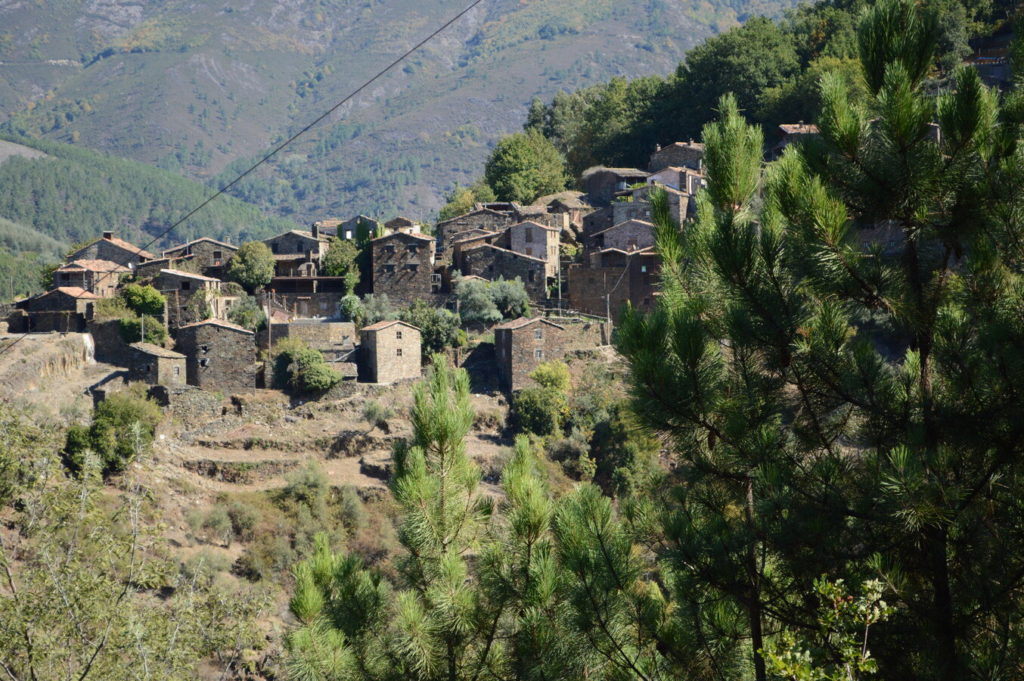
Our next stop was Lousa where we treated ourselves to a once in a lifetime experience, lodging at a palace. We stayed at the Palacio da Lousa, built in the 18th century. We stayed in Lousa because I had read we could go back centuries with a hike through some of the famous Schist Villages nearby. The Lousa Schist villages route we took made me feel like I was hiking in the Shire, on the look out for Bilbo Baggins. There are 26 Schist Villages spread across Portugal’s central region between Coimbra and Castelo Branco. They are scattered throughout the central mountains and along riverbanks. The homes are made of a type of crystalline stone that is easily split creating a flat surface that makes it easy to build with. This was the material of choice for building homes in this area for centuries.
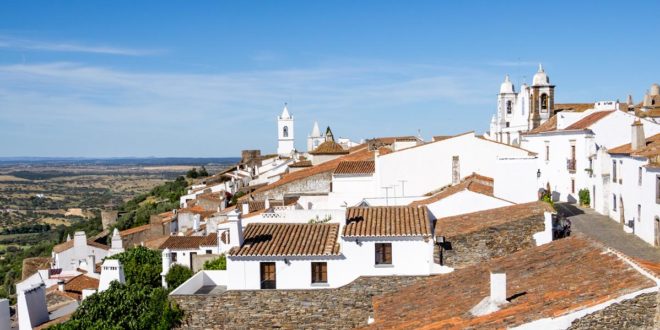
The medieval village of Monsaraz was the itinerary for the following day. They say Monsaraz is one of the oldest in Portugal. The village was built high on a hilllside and I remember there were some spectacular views. I also remember it was really hot that day and there was not much shade to be found.
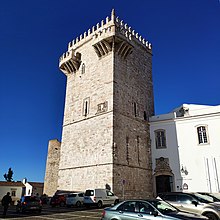
That evening we again enjoyed a new experience, lodging at the Castle of Estromeoz. Apparently many castles in Portugal have been converted to Pousada’s (hotels). Estromez was one of them, built in the 13th century for Queen Santa Isable. We enjoyed climbing the stairs to the top of the tower without a sole around, and the panoramic views at the top made for some good photos. Estromez Castle
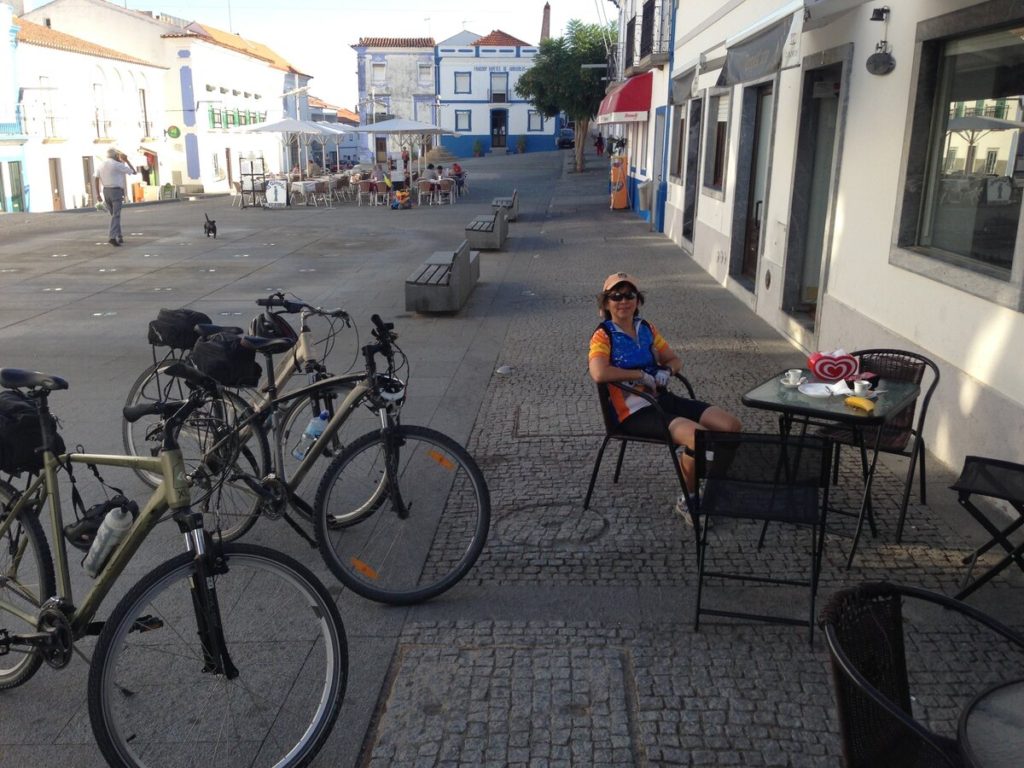
After our Castle adventure, we headed to Evora where we had scheduled 3 days of out and back bike rides with Portugal Best Cycling tours. Our lodging was at a large house, Monte do Serrado de Baxio just outside of the main town of Evora. The house was set up with four comfortable guest rooms and a kitchen where they made us breakfast and dinner if requested. We signed up for dinner one of the nights and it was fabulous. Dinning was community style and we thoroughly enjoyed sharing the table with three Aussie couples, telling stories of our adventures over many bottles of wine. There was a good size garden, swimming pool and farm animals surrounded us. It was a wonderfully relaxing place to stay. Portugal Cycling tours set us up with the same wonderful guide and bikes for all 3 days of riding. Each day included visiting a point or two of interest and lots of stops for photos. I think we covered around 40 to 50 km each day but since it was just Carol and I , the distances were up to us.
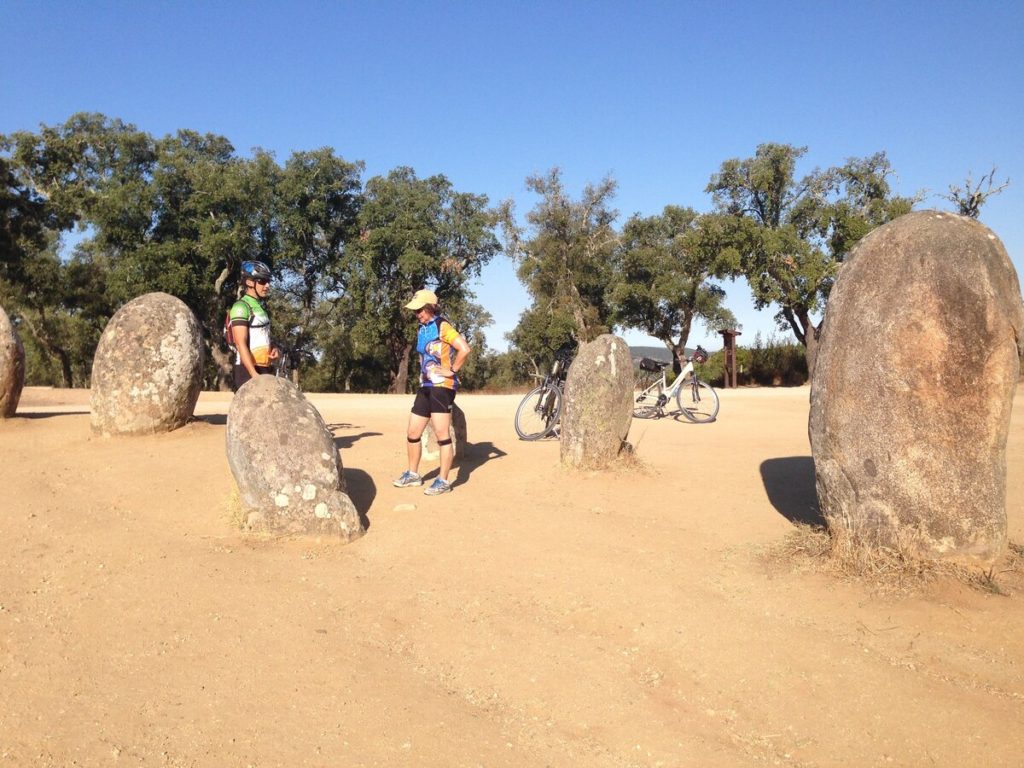
Portugese Stonehenge
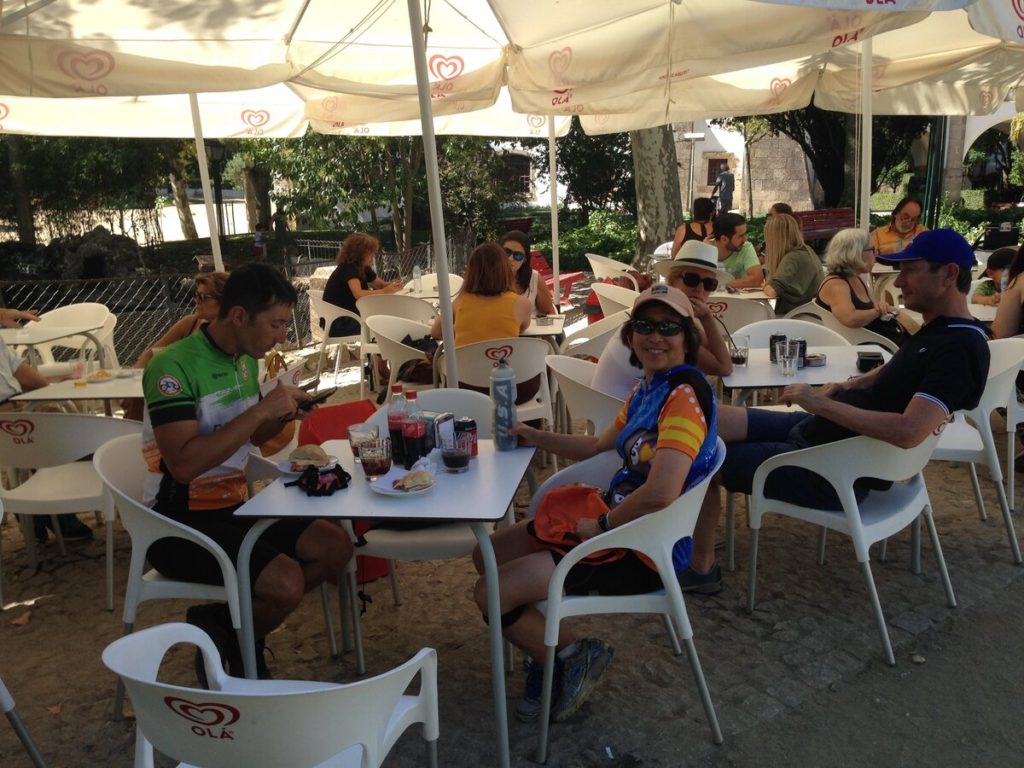
The weather was unusually hot and dry for early Oct but having no rain was welcome. We took advantage of the pool at the lodge after each day’s ride. Besides an occasional, much deserved coffee/snack break, we spent most of each day exploring the countryside. One day we made a visit to a goat cheese farm and had a personal tour of the place, the second day we stopped at a cork factory and had a tour, and the third day we visited what I like to call a Portugese Stonehenge.
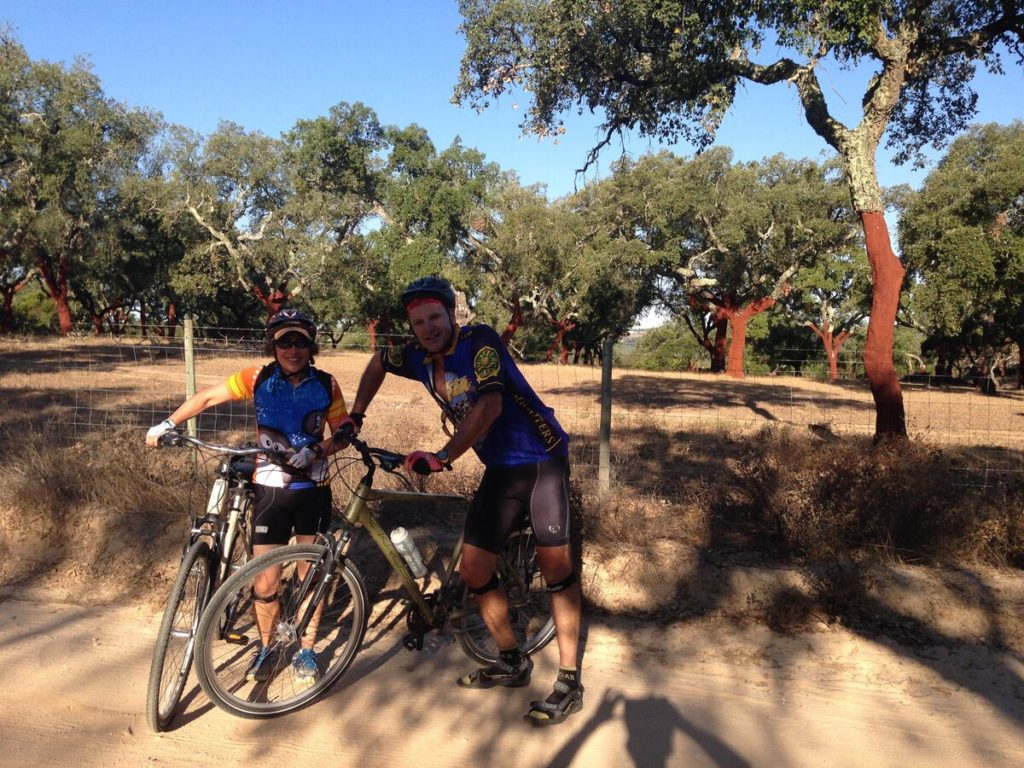
Cork oak trees are grown through out the Alentjo area in Portugal. The cork oak is carefully harvested from the first layer of tree bark as you can see in the photo above.
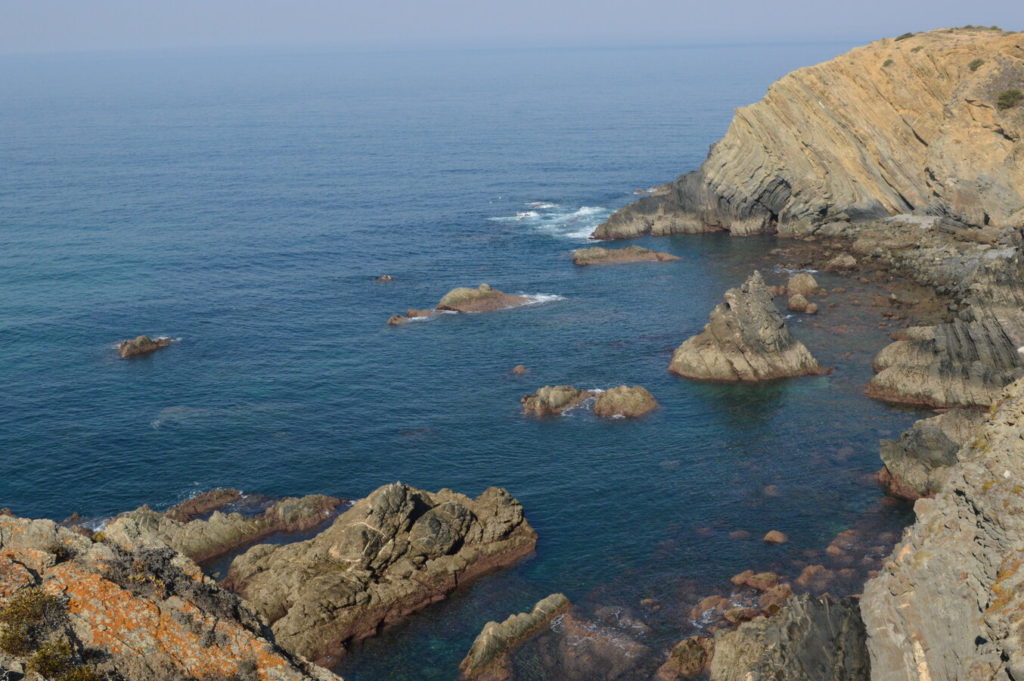
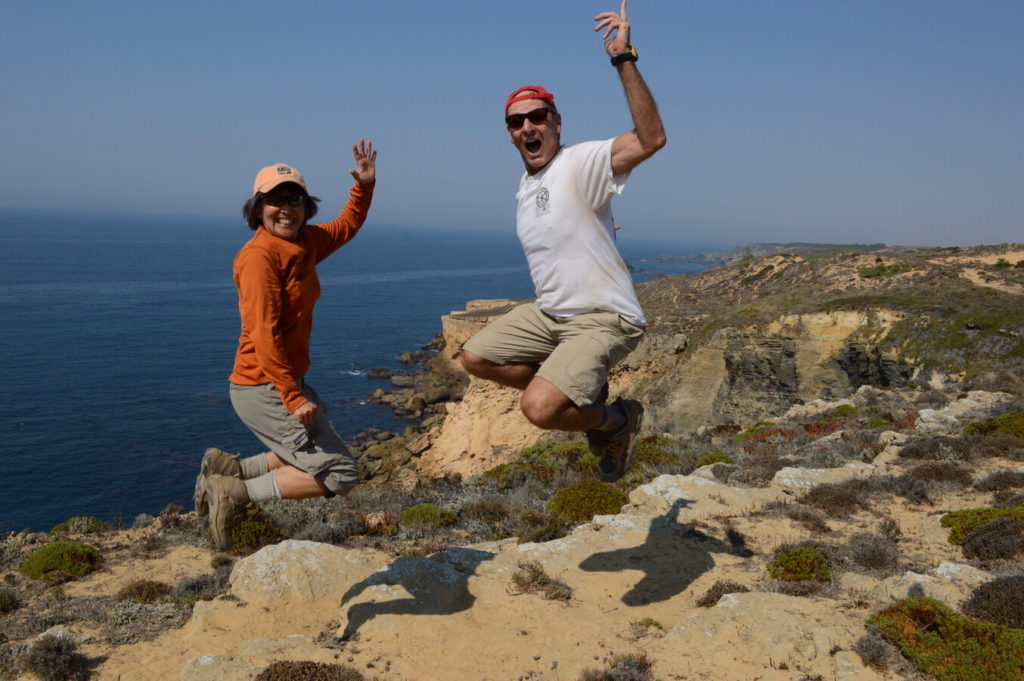
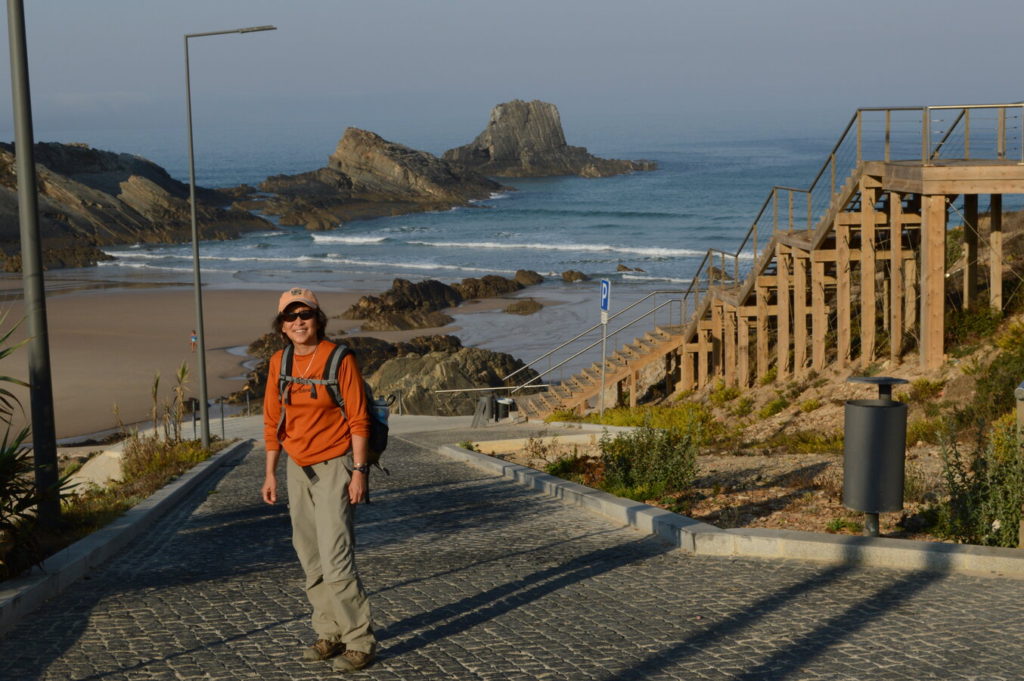
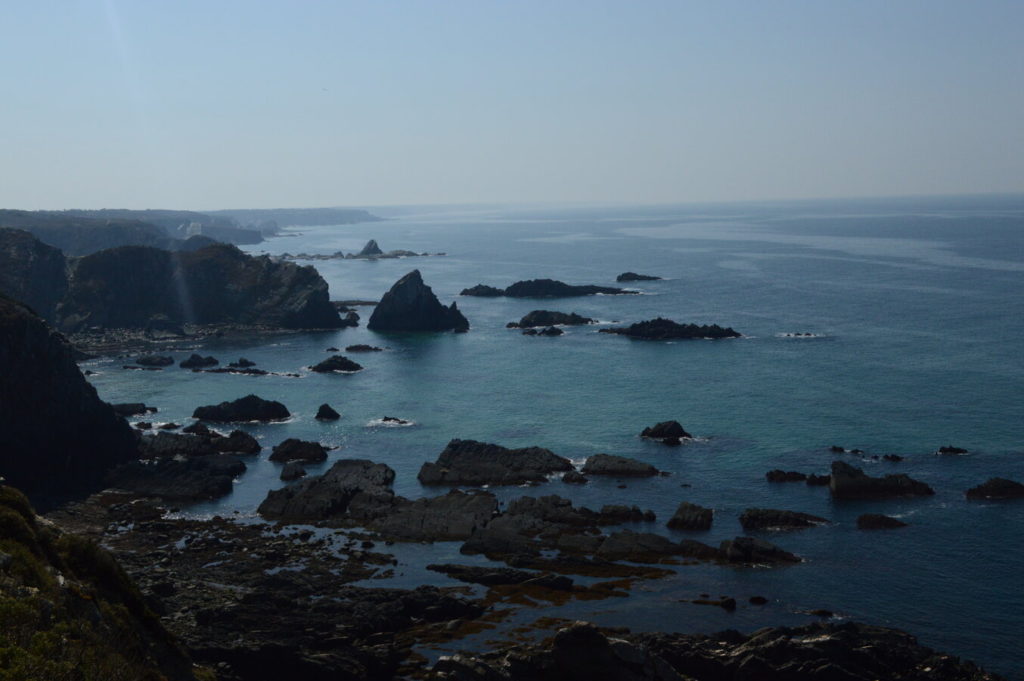
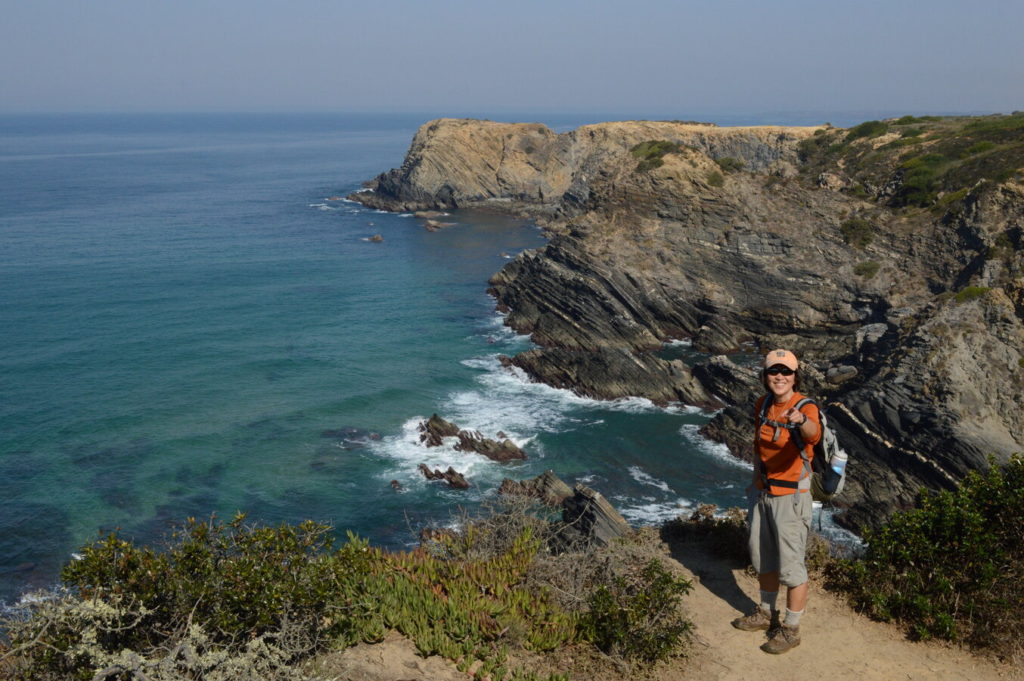
Our next adventure was hiking along the Fisherman’s trail (Rota Vicentina ) just South of Lisbon. The “official” Fisherman’s trail, also known as the Portuguese Camino de Santiago, is 76 km long, starts in Porto Covo and ends in Odeceixe. As it’s name suggests, this trail hugs the coastline and offers spectacular views at every turn. Here is an informative blog on hiking this trail with lots of detailed information. Hiking the Fishermans trail
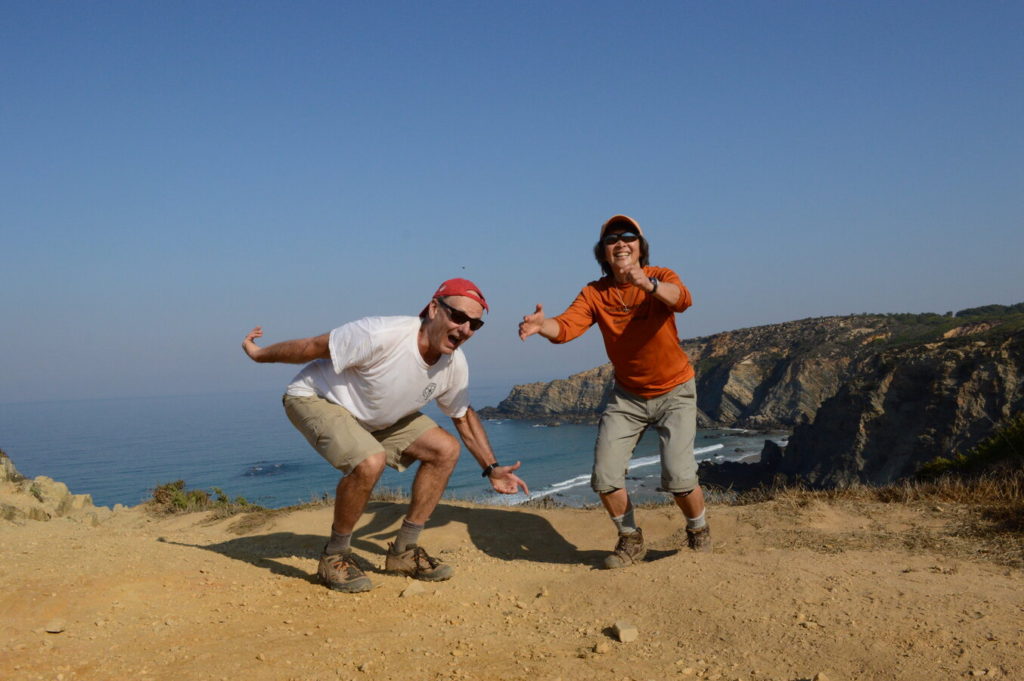
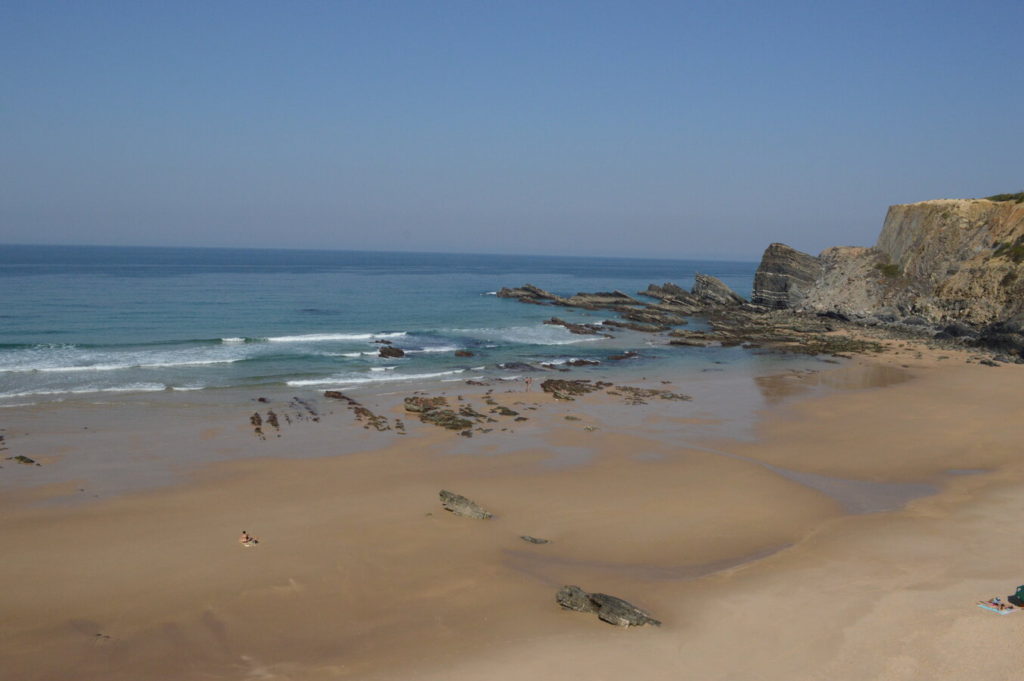
We decided to start our hike about 40 km North of Odeceixe in Almograve and hike for 2 days, staying over in Zambujeira do Mar. The route is well marked and essentially follows the coastline. We were pleasantly surprised to essentially have the trail to ourselves. There may not be many hikers because the distance between towns is at least 5 km to 10 km so you need to bring plenty of water for an entire day. I imagine during the summer months it is crowded.
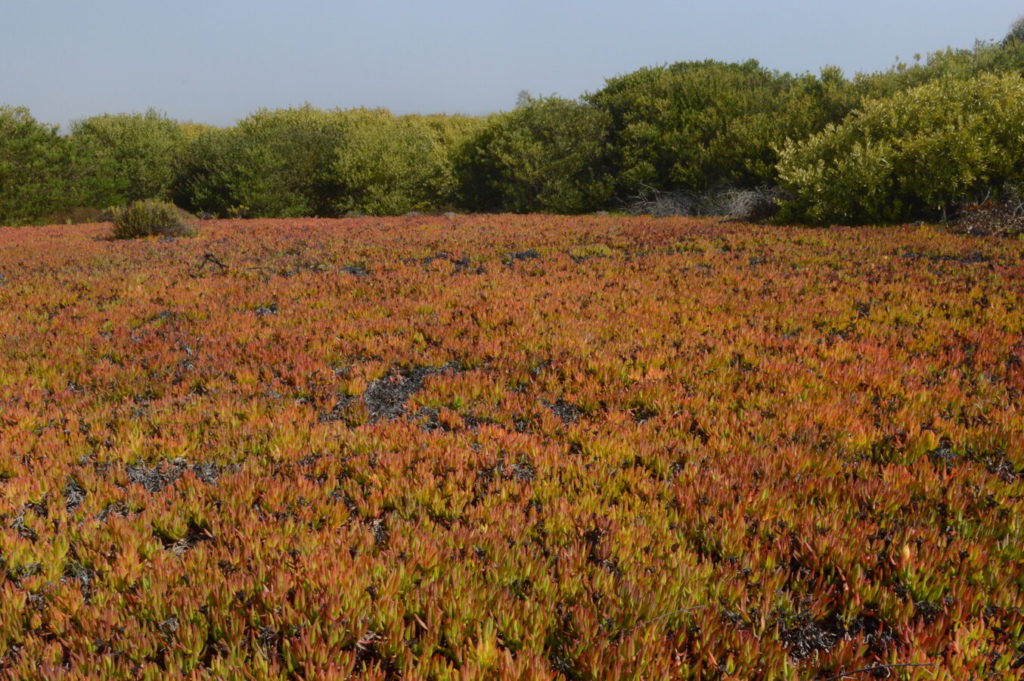
There were many Kodak moments on this trail. I had as many photos from these two days hiking as I did from the rest of the trip. This was probably the most memorable part of the trip for me since I was not expecting such peace, tranquility and amazing scenery.
We had a wonderful time on this hike. At the start we met a group of German women whose company we enjoyed at multiple stops along with a few others during our two days hiking. Otherwise we were alone in one of the most scenic places I could have imagined.
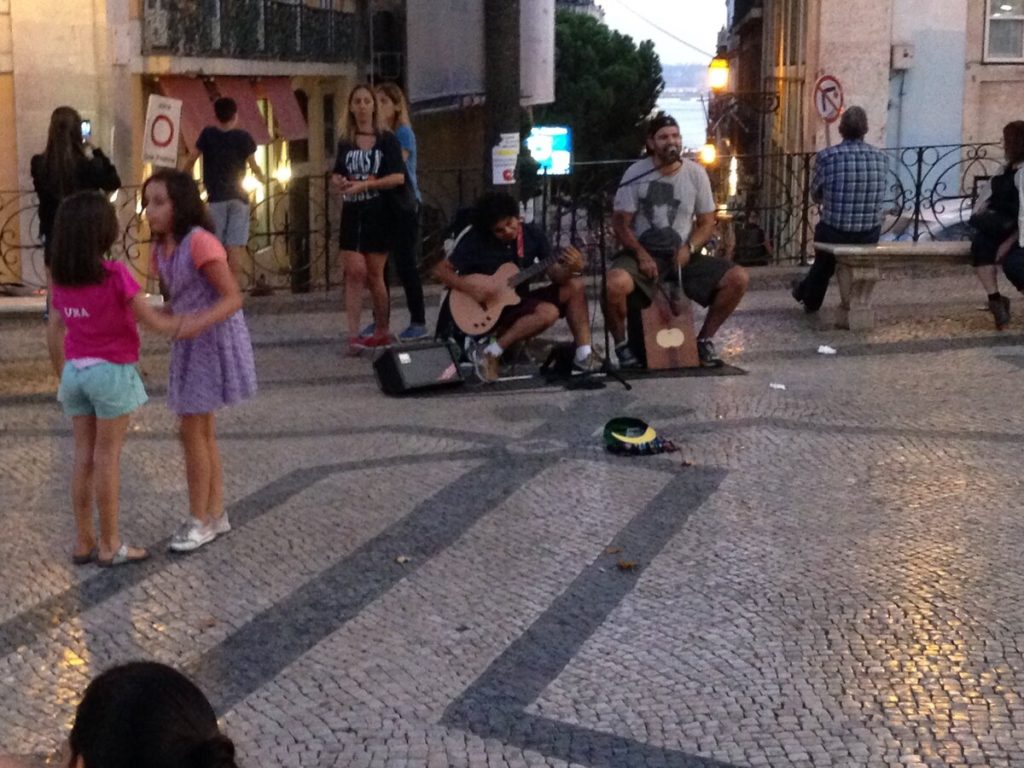
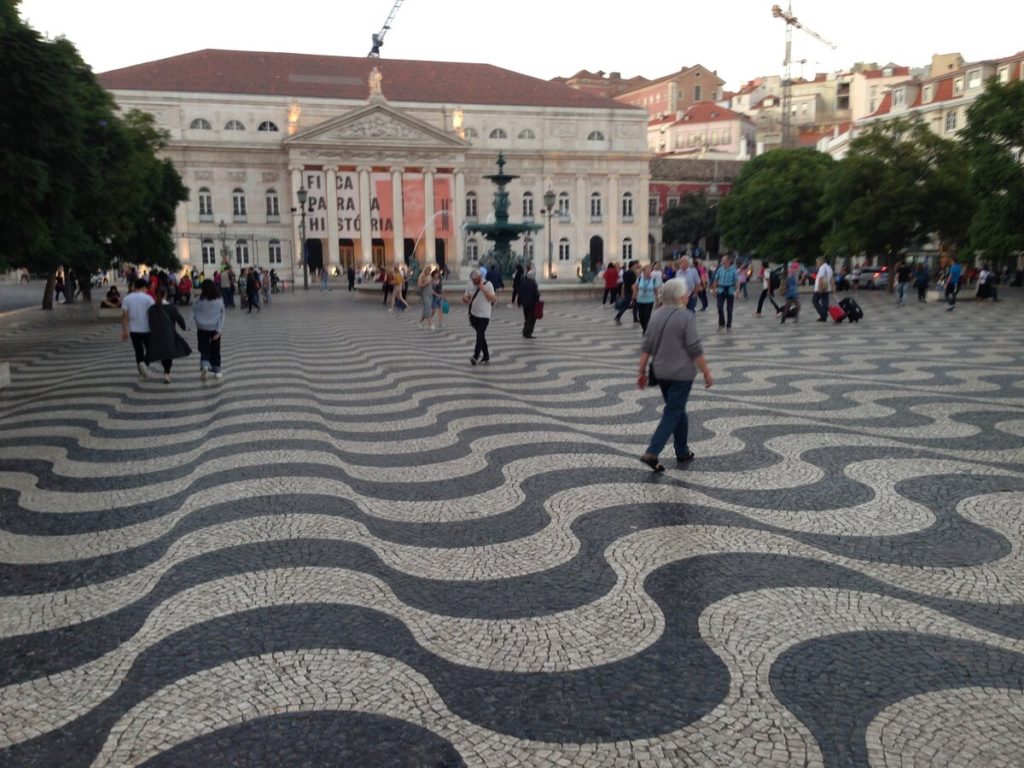
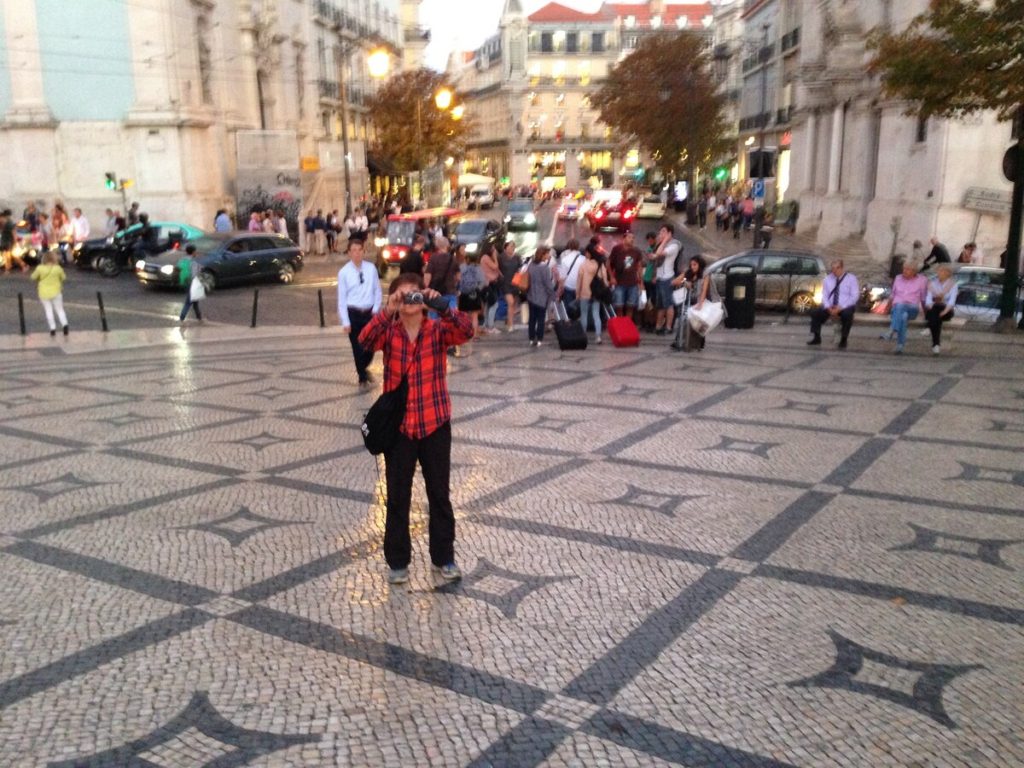
We spent our last two days in the capital city of Lisbon with a side trip to Sintra. I’m not a big city person but Lisbon is relatively small with a population of 500,000. It seemed less crowded and welcoming than most large cities. I really enjoyed the plaza’s walking surface design with such artistic flare, all using a simple black and white stone.
We enjoyed strolling around the colorful plaza’s and markets, enjoyed talented street performers and the inexpensive restaurants.
Our last day we went to Sintra, 30 km Northwest of Lisbon. Sintra is known for it’s Palaces and Castles where we took a tour of the Castelo dos Mouros, an ancient castle ruin which has great views of the surrounding area.